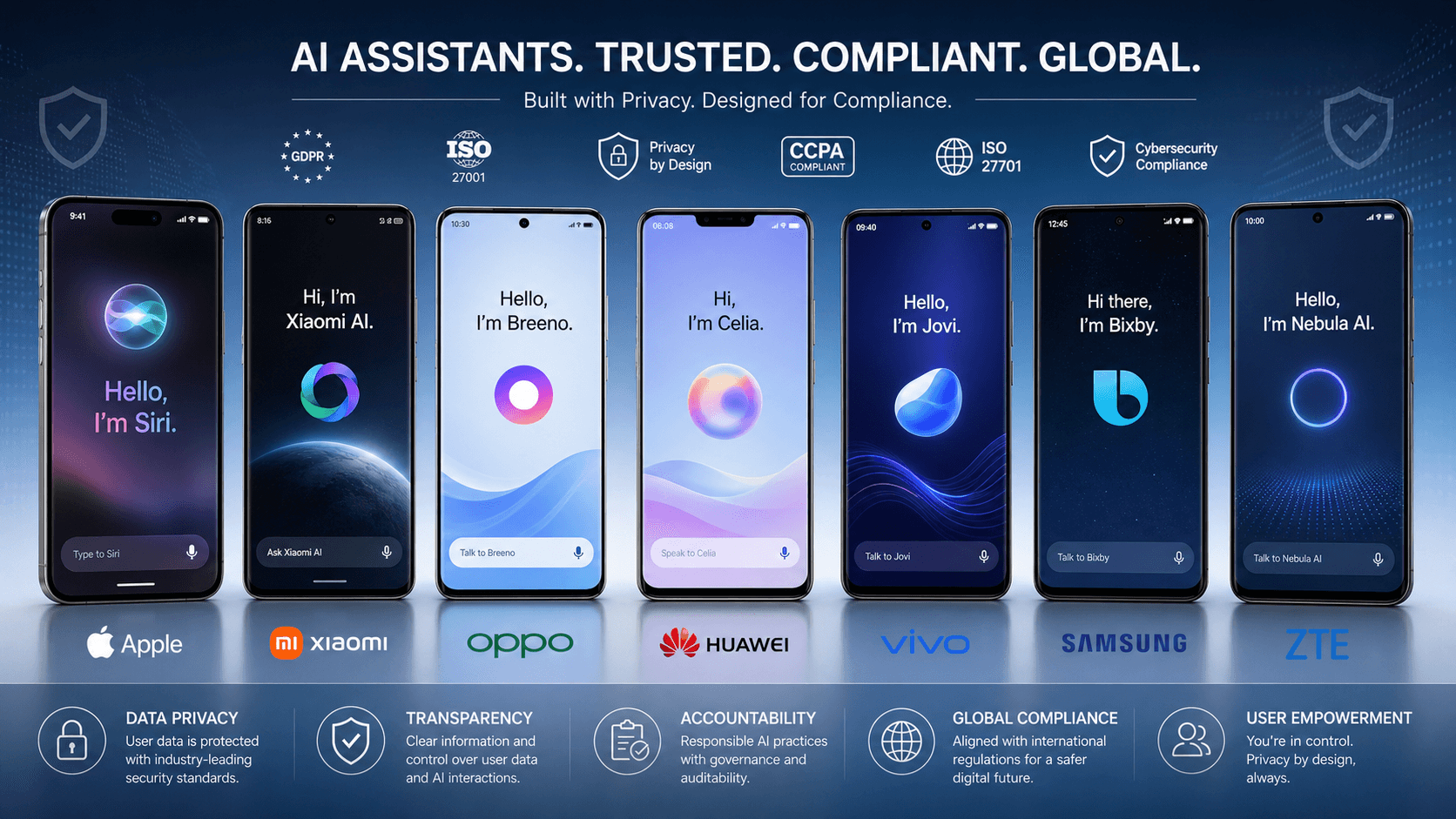
Seven Phone Models Receive China AI Filing as Apple, Xiaomi, OPPO and Others Confirm On-Device LLM Compliance
- Chinese cyberspace authorities approved seven mobile generative artificial intelligence services for compliance.
- The regulatory registration covers major international and domestic smartphone brands including Apple, Xiaomi, and Samsung.
- Apple will integrate Alibaba Tongyi Qianwen for its operating systems while Baidu develops separate search and voice tools.
- Xiaomi completed its MiMo large model matrix and released the V2.5 version in Apr. 2026.
- The centralized regulatory approvals create a unified marketplace compliance standard ahead of anticipated product launches in Sept. 2026.
The approval covers global and domestic smartphone brands including Apple, Huawei, Xiaomi, OPPO, vivo, Samsung, and ZTE.
The filings under the Interim Measures for the Management of Generative AI Services bring mobile intelligence features into the national regulatory framework.
This clear administrative path allows artificial intelligence technology to reach consumers through official distribution channels.
Apple Intelligence will integrate Alibaba Tongyi Qianwen as its technology capability provider for systems in China.
Users can access Qianwen text and image understanding alongside content generation directly within iOS, iPadOS, macOS, and visionOS.
Baidu is separately developing artificial intelligence search features and an upgraded Siri voice assistant for the Chinese market.
The dual partnerships indicate that Apple is pursuing a multi-partner strategy for its domestic digital ecosystem.
Xiaomi confirmed its self-developed MiMo large model has completed the full model matrix covering language, multimodal, and voice capabilities.
MiMo V2.5 was officially released in Apr. 2026, marking artificial intelligence, chips, and operating systems as three core technology areas.
OPPO stated the filing is a routine compliance action to align with national regulatory requirements.
The company will continue advancing model capabilities integrated with intelligent terminals through its Andes large model technology.
The registration timing suggests Sept. 2026 will see a wave of mobile launches as brands prepare compliant product lines.
Industry analysts noted that the centralized filing marks accelerated regulatory standardization, creating a level playing field for domestic and foreign brands.
Approved registration means models comply with requirements but does not guarantee all features are immediately open to users.
Individual feature rollouts depend on manufacturer implementation timelines and additional application-specific approvals.
The ByteDance Doubao phone assistant also received separate Beijing registration.
The integration reflects that on-device artificial intelligence is expanding beyond phone manufacturers to include application providers seeking hardware integration.